

Kling O1 Explained: Features, Use Cases & Business Benefits (2026 Guide)
Discover what Kling O1 is, how it works, its key features, business use cases, and how AI video can transform marketing and content creation.

What is Kling O1?
Kling O1 is an AI video model that generates and edits moving images from simple inputs: a written prompt, a still image, or a reference clip. Instead of cutting a timeline, you describe the shot — subject, environment, camera move, mood — and the model produces it.
What makes this generation notable is control. Earlier tools were impressive but unpredictable: faces drifted, objects morphed, text dissolved. Newer models hold consistency across frames and follow instructions closely enough for real production work.
For businesses the shift is not novelty. Video, historically the most expensive format, is becoming something a small team can iterate on daily.
Why It Matters for Businesses
A single 30-second product clip can mean a shoot day, a crew, an editor, revisions, and a two-week turnaround. Most small teams cannot sustain that, so they post less, test less, and learn less.
AI video collapses the cycle: a concept can be visualised in minutes and revised the next morning. The value is not replacing a crew — it is testing ideas before money is committed.
Because a variation costs almost nothing, teams can finally treat video like ad copy: produce ten versions and let performance decide.
Key Features Worth Knowing
The feature set is what separates a demo from a deliverable.
- Text-to-video: describe framing, lighting, and pacing in plain language
- Image-to-video: animate product photos and assets you already own
- Reference-based generation so multi-shot sequences share one look
- Motion and camera control: push-in, orbit, handheld drift, lock-off
- Temporal consistency so products and characters hold their shape
- Editing and extension so a small flaw does not force a restart
Business Use Cases
The strongest returns come from high-volume, low-risk content rather than hero brand films.
- Paid social: many creative variations of one offer, tested cheaply
- Product visualisation for listings, launches, and email
- Pitch and concept work: a moving mock-up instead of a static deck
- Website motion: ambient hero loops and section transitions
- Training and onboarding explainers that never get a production budget
- Localisation: one concept regenerated per market and aspect ratio
Who Should Use It — and Who Should Be Careful
Startups and small teams benefit most: AI video is the difference between publishing weekly and publishing quarterly. Marketing teams inside larger businesses use it for creative testing and filling calendars between bigger productions.
Agencies use it upstream for pitching, previsualisation, and b-roll, keeping human craft for hero work.
Be cautious where credibility depends on authenticity. Testimonials, customer stories, and regulated claims should be filmed. Audiences are getting better at spotting synthetic footage, and misplacing it costs trust.
Advantages and Limitations
The advantages are speed, cost, and iteration: weeks become hours and the marginal cost of another version is near zero.
The limits are real. Fine detail — hands, small text, logos, intricate mechanics — still fails often enough to need review. Long-form narrative consistency is hard, so most reliable output is short. Exact brand colours and typography usually need a compositing pass.
Licensing, likeness, and disclosure expectations also vary by platform. Treat them as workflow requirements, not afterthoughts.
Where AI Video Is Heading
Three directions are already visible: clips are getting longer and more coherent, control is deepening from prompting toward directing, and generation is moving inside the editors, CMS platforms, and ad tools teams already use.
The landscape is crowded — Google DeepMind, OpenAI, Adobe and others iterate constantly. That is good news for buyers, but it makes tool loyalty a bad strategy. Build a workflow that can swap models.
The durable advantage was never access to the tool. It is knowing what to make and why it should exist.
How to Make It Work Inside a Business
Most teams get impressive one-off results and then stall. The blocker is rarely the model — it is the absence of a system: no prompt library, no brand standard, no review step, and no path from a generated file to a live asset.
That system is what we build at Pixel2Tech: creative direction so output looks like your brand, reusable prompt and asset libraries, review workflows, and integrations that push finished assets into your site, CMS, ads, or CRM.
Final Thoughts
Kling O1 changes what a small team can produce. Video that once needed a crew and a calendar can be drafted in an afternoon, tested against real audiences, and refined on performance.
Tools alone do not create growth. The businesses that win pair AI video with a clear message, a consistent brand, and a workflow that reliably gets content in front of the right people.
Frequently Asked Questions
What is Kling O1?
Kling O1 is an AI video model that generates and edits video from text prompts, still images, and reference clips. You describe or show what you want and the model produces motion, camera movement, and continuity.
How is it different from traditional video editing?
Editing assembles footage you already have; Kling O1 creates footage that does not exist yet and lets you revise it by changing instructions instead of re-shooting. Most teams use both.
Can businesses use AI video commercially?
Usually yes, but it depends on your plan and the platform's current terms. Check the commercial licence, confirm output ownership, and avoid recognisable people or trademarked material without permission.
Is Kling O1 better than Runway or Veo?
There is no single winner. Kling O1 is strong on motion realism and image-to-video continuity, Runway on editing controls, Veo on prompt understanding. Test the same brief on each and keep the one needing least clean-up.
Do I still need a videographer?
For authentic brand footage, real people, and real products, yes. AI video fills the gaps: concept tests, social variations, motion backgrounds, and validation before a shoot is booked.
Want this done properly?
Tell us what you're working on. We'll tell you what we'd fix first.
Explore related Pixel2Tech services
Related Articles
More reading on AI, automation, and building better business systems.
10 Common Shopify Issues and How to Fix Them
Shopify makes it easy to launch a store, but it's not always perfect. Learn how to identify and fix 10 common Shopify issues affecting sales, SEO, speed, and more.
Top 7 Marketing Agencies in Pakistan in 2026
Pakistan's digital marketing industry is growing quickly. Discover our guide to 7 marketing agencies in Pakistan offering SEO, social media, branding, and creative services.
Top 7 SEO Agencies in Pakistan in 2026
Finding the right SEO agency can be difficult. Explore our editorial list of 7 top SEO companies in Pakistan offering SEO, content, and digital growth services.
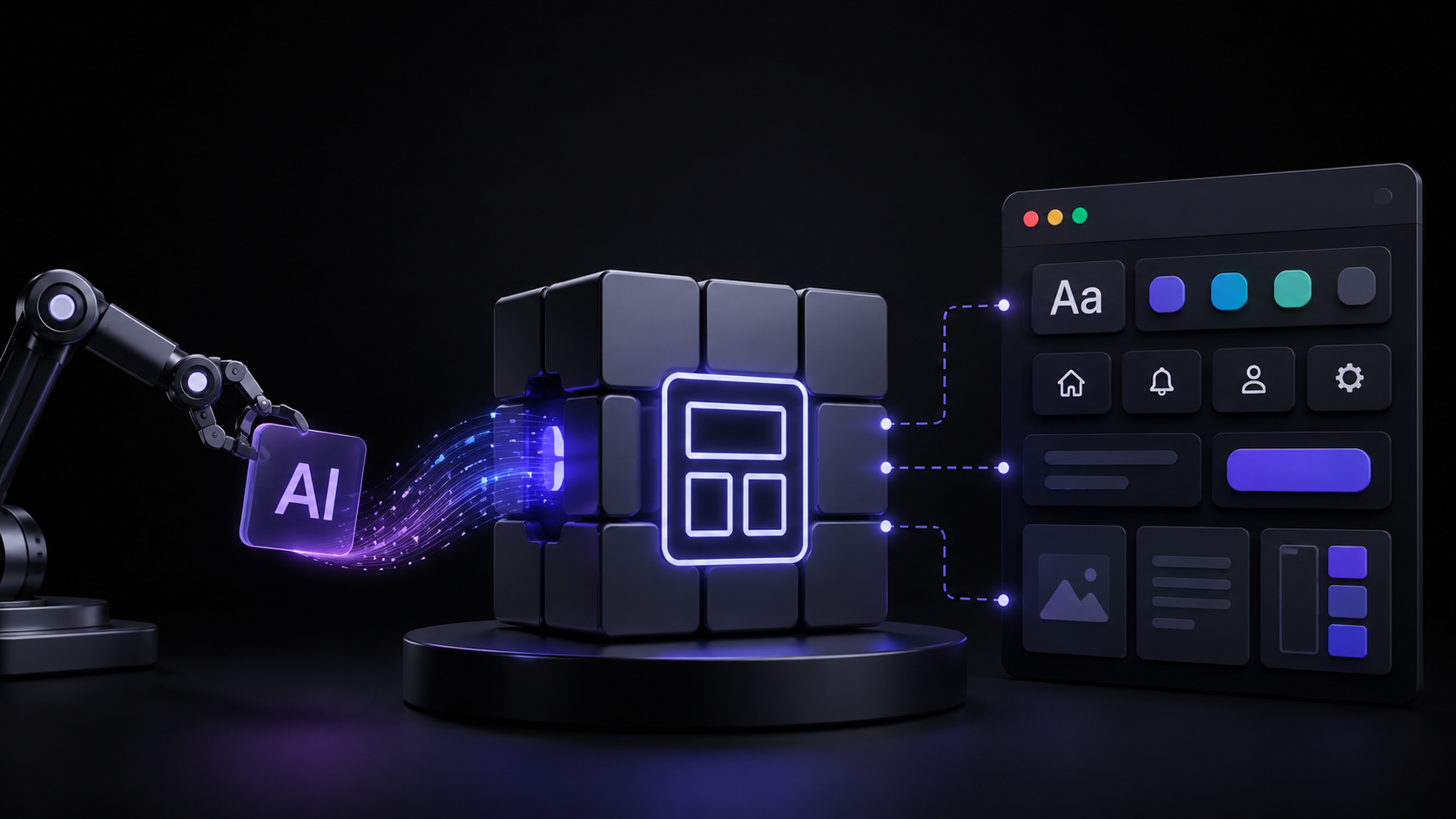
AI Is Changing How Designers Build Products: Why Design Systems Matter More Than Ever
AI tools can generate interfaces in seconds, but building a cohesive product requires more than just prompts. Discover why design systems are the essential foundation for AI-powered product development.